Where Robotics, AI, and Real-World Coding Come Together
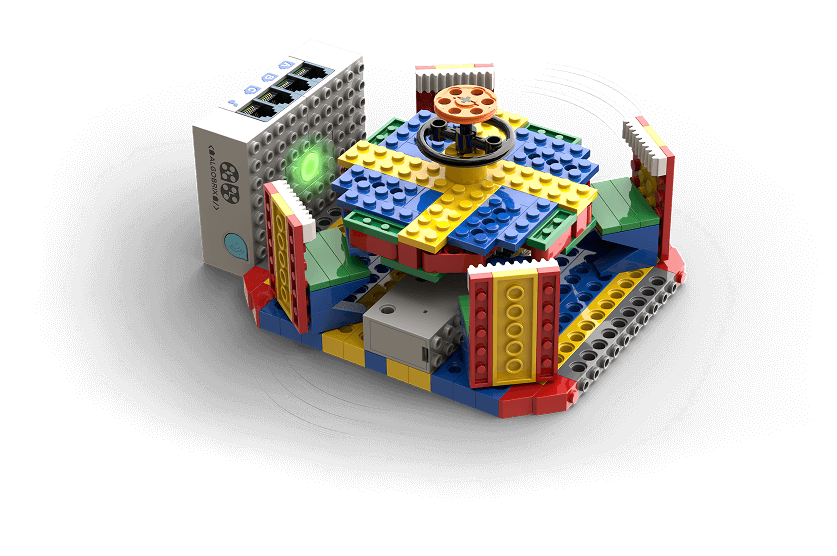
AlgoC is a hands-on robotics and programming course for teens aged 13 to 18, designed to build the next generation of innovators. Over 36 sessions, each 90 minutes long, students dive into advanced robotics and real-world programming using the powerful C language—widely used in embedded systems, automation, and AI. The course introduces students to robotics engineering, intelligent machine behavior, and computational logic through a practical, challenge-based learning experience.
Using the Arduino IDE and the AlgoC framework, students write structured code that brings robotic creations to life. From sensor-driven decisions to multithreading and smart reactions, learners don’t just watch machines—they build and control them. This isn’t an intro to coding—it’s a deep, applied journey into robotics and intelligent systems, designed for teens who are ready to go beyond drag-and-drop coding.
The AlgoC programme is structured to give students an authentic view of how software and hardware interact in real-world robotics. Each unit blends core C programming concepts with practical mechanical builds. Students create machines inspired by real-life devices, from home automation tools to motion-based robots and challenge simulators.
With a focus on loops, functions, conditionals, and sensor inputs, the programme develops not only coding fluency but also algorithmic planning, structured problem solving, and the ability to think in systems. Teens will write programs that respond intelligently to environmental changes, solve specific problems, and demonstrate autonomous behavior—simulating AI in accessible, age-appropriate ways.
Along the way, they use Practivo, a dedicated training robot, to rehearse specific coding patterns and test ideas before applying them to more complex robots. These exercises sharpen their logic and allow room for experimentation and deeper understanding.
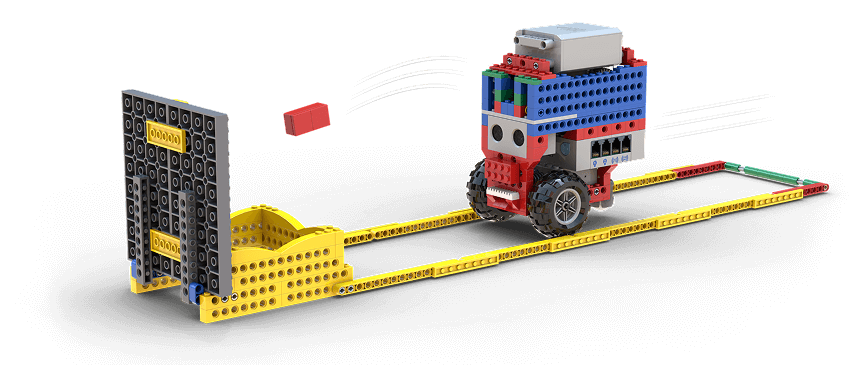
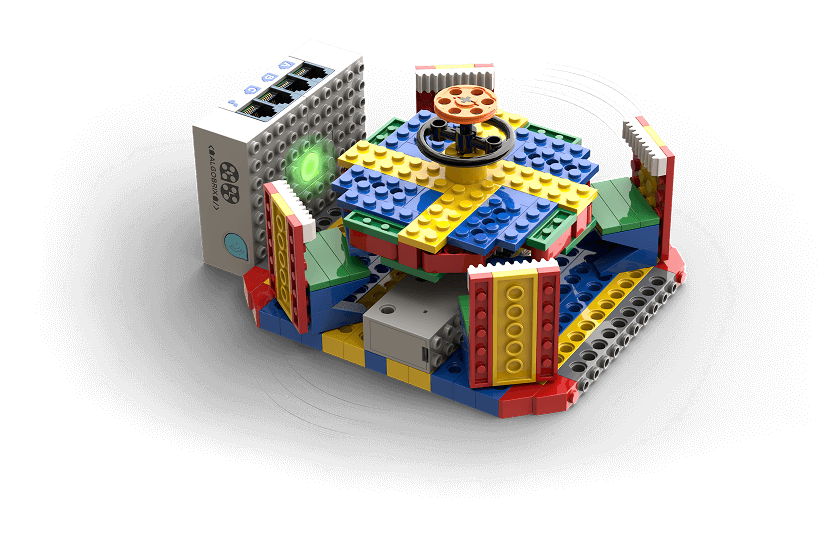
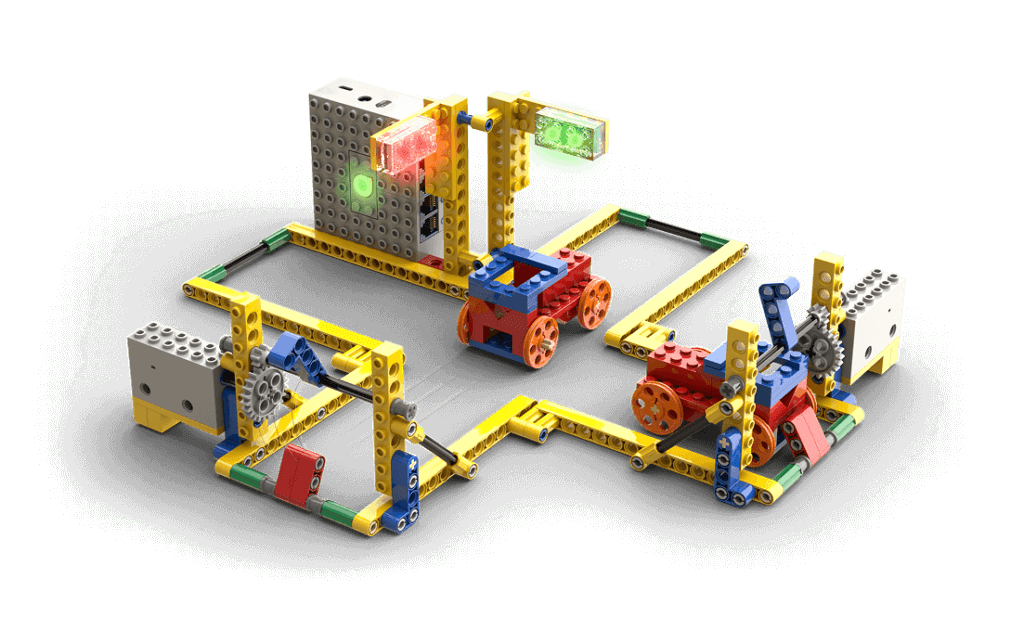
AlgoC allows students to design and build robots with purpose, imagination, and technical depth. Models range from smart household devices and motion-sensing robots to transportation systems, challenge games, and robots that simulate real-life behaviors or natural movement patterns.
Each build is an opportunity to apply layered coding logic to a tangible system. Teens learn to work with sensors, motors, control structures, and embedded logic, producing robots that don’t just move—but respond, adapt, and solve. Projects may involve timing challenges, environmental triggers, or interactive simulations that mimic intelligent decision-making.
This immersive, design-based approach helps students internalize how machines “think,” how systems interact, and how to code with intention and efficiency. It’s the perfect platform for students ready to explore the foundation of future-focused technologies.
AlgoC equips students with a wide range of technical and soft skills critical for the future. Technically, they master the building blocks of C programming while learning how to structure code for automation, interaction, and intelligent logic. They begin to see programming not just as a subject—but as a tool for real-world creation and innovation.
Just as importantly, the course develops their ability to collaborate, think critically, and work through challenges with resilience. Each student learns to debug, optimize, and improve their code while communicating effectively with teammates during paired and group tasks. These experiences build confidence, leadership, and a mindset of experimentation.
Whether students are interested in software development, robotics engineering, or AI research, AlgoC lays the foundation for meaningful, future-ready learning.



AlgoC is delivered by trained, certified instructors with expertise in robotics, C programming, and youth development. It’s part of the internationally acclaimed Young Engineers curriculum, trusted in over 50 countries. The course aligns with UAE education standards and global STEM benchmarks for quality and safety.
AlgoC transforms students from curious learners into real-world builders. It teaches not only how to code, but how to think critically, work collaboratively, and apply programming to real systems. With each robot built and every algorithm refined, students deepen their understanding of technology—and their ability to shape it.
By the end of the programme, students walk away with real programming experience, a hands-on grasp of embedded systems, and the confidence to pursue advanced paths in coding, robotics, and intelligent machine design.
Let’s build the future - one child, one code, one creation at a time.
AlgoC is designed for teens aged 13 to 18 who are ready for an advanced, hands-on robotics and coding experience. It is ideal for students who are interested in understanding how machines work, how real-world code is written, and how intelligent systems are structured and programmed.
Each AlgoC session lasts 90 minutes and runs across 36 lessons. The course includes practical robotics builds, focused programming exercises, collaborative challenges, and time with the Practivo training robot. Students move from basic syntax to high-level concepts like multithreading, embedded logic, and coding for AI-like behavior.
No prior experience is required. While familiarity with basic logic is helpful, the course starts from the foundations of C programming and robotics. Through step-by-step instruction and ongoing support, all students are guided to proficiency—whether they’re new to coding or already have some exposure.
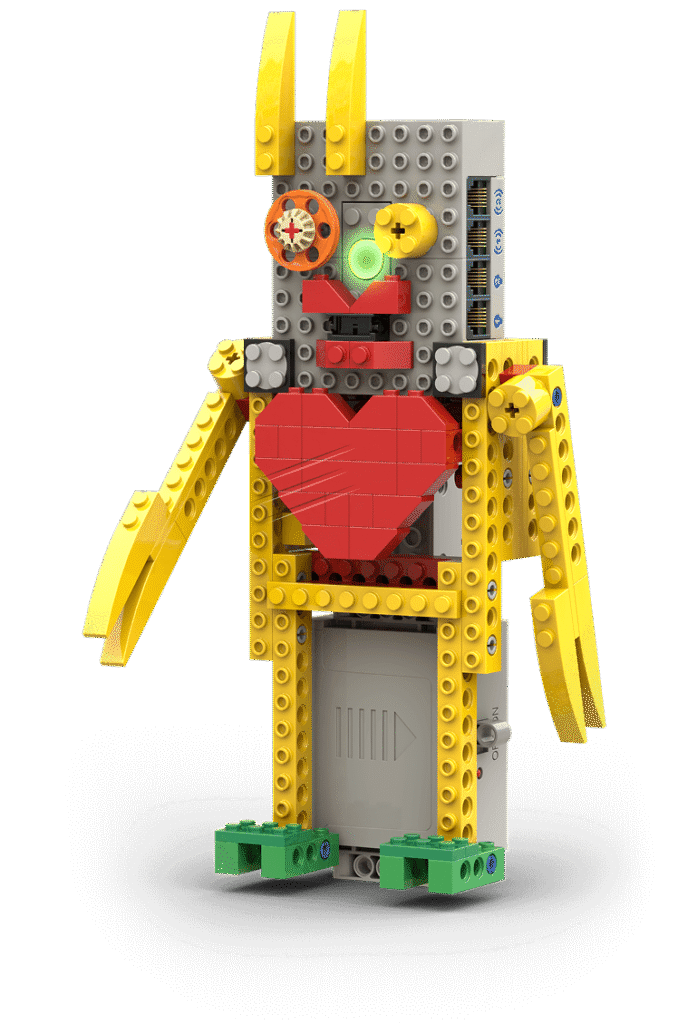
Students build a wide range of functional robots inspired by daily life, science fiction, and future tech. Projects include home automation devices, animal-inspired robots, transportation systems, simulations, and smart tech prototypes. Each model introduces new programming challenges and hardware interactions to deepen understanding.
Parents receive regular progress updates that include photos, lesson recaps, and milestones achieved. At select stages, students showcase their work through presentations or live demos, giving parents insight into their technical growth and creative problem-solving.