
A Dynamic Start to STEM Learning
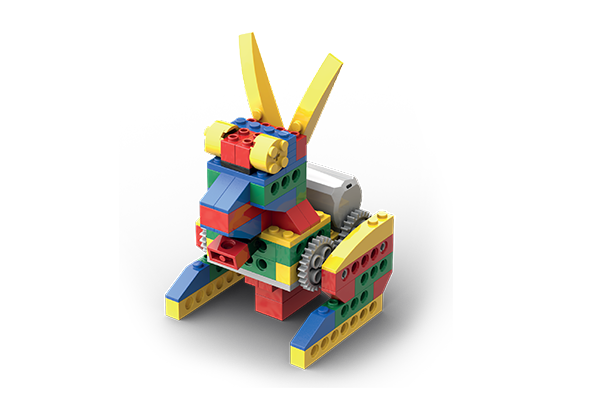
The Bricks Challenge is a thoughtfully designed engineering and mechanics programme for children aged 6 to 10. Composed of 36 sessions, each lasting 75 minutes, this enrichment course introduces young learners to classical mechanics through immersive, hands-on model building. Using age-appropriate building blocks and mechanical parts, students engage their curiosity in a structured yet playful environment.
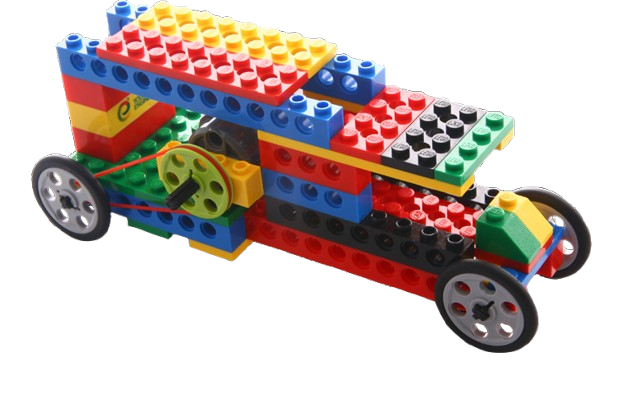
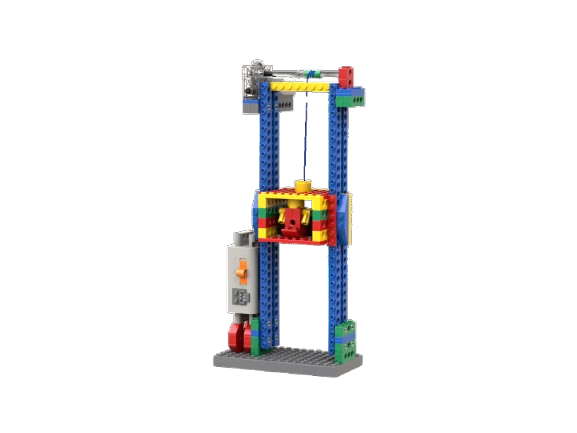
Every session begins with a short story or demonstration that presents the day’s engineering concept. This narrative framing makes complex ideas accessible and memorable. Children then construct working prototypes, such as cranes, elevators, rotating rides, and vehicles, that bring these concepts to life. After assembling their models, they experiment by tweaking their designs, deepening their understanding through reflection and guided questioning.
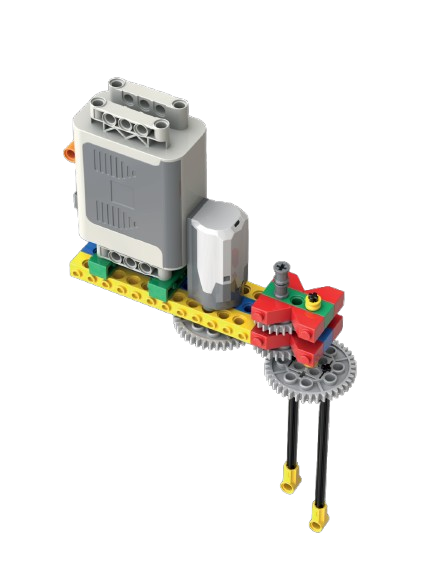
At the heart of the Bricks Challenge is the conviction that children learn best by doing. The curriculum introduces foundational mechanics principles, force, energy, torque, leverage, motion, axis turns, load distribution and symmetry, through active engagement. For instance, constructing a model carousel reveals centrifugal force in motion, while building a drawing machine illustrates mechanical advantage in action.
These engineered experiences are made richer by linking them to the ideas of historical innovators like Archimedes and Leonardo da Vinci. We use compelling stories to inspire learners and to place their creations in the context of human discovery. As students construct real-world models, they build not just mechanical structures but also analytical thinking, spatial awareness, and confidence in their abilities to apply abstract concepts practically.
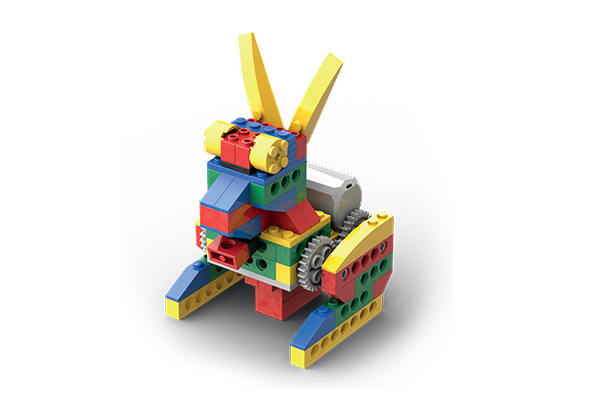
Bricks Challenge follows a clear educational design. Each lesson opens with an overview of a mechanical principle, often contextualised by a relatable narrative, such as how medieval cranes lifted heavy materials or how balance shifts resist tipping. Students are guided through the building process and encouraged to test, modify, and experiment with their own creations.
Reflection and discussion are integral to every class. Children share how their model behaves differently with slight adjustments, reinforcing experimental thinking. This learning loop - introduce, build, test, reflect, is scaffolded by trained instructors who balance structure and creativity, helping students internalise lessons while feeling empowered to explore independently.
Parents receive periodic updates, including visual portfolios and descriptive notes to showcase their child’s mechanical thinking progression and personal growth. This transparency strengthens school–home learning continuity and makes every achievement tangible.
Exposing children to mechanical system exploration at a young age transforms how they interact with the world. The Bricks Challenge turns theoretical physics into a joyful, tactile experience where learning is visible, immediate, and rewarding. Students learn to create real machines, see cause and effect, and build confidence in their thinking and ability to apply ideas in inventive ways.
This kind of experiential learning carries forward into future academic years, strengthening performance in math and science classes and encouraging a mindset that embraces experimentation, questioning, and creative problem-solving.
This programme does more than introduce machinery. It seeds lifelong learning by nurturing:
These skills transcend the classroom, equipping children for both academic challenges and everyday problem-solving.
You can trust Bricks Challenge for its educational rigor and safety standards. Young Engineers UAE delivers this programme under globally recognised accreditation, including:




Let’s build the future - one child, one code, one creation at a time.
This programme is best suited for children aged 6 to 10. Its content and pace reflect their developmental stage while offering stimulating STEM experiences.
No prior experience is required. Lessons begin with accessible examples and build mechanical understanding through hands-on interaction.
Children construct moving machines such as amusement park rides, cranes, elevators, drawing machines, transport systems, and vehicles that demonstrate key mechanical ideas.
Yes. Parents receive detailed updates including photos, reflections, and summaries of concepts learned. This allows families to support and celebrate their child’s progress effectively.